

How to Choose a Reliable Cassava Flour Equipment Supplier
A cassava flour processing line is a multi-stage investment — washing, peeling, crushing, extraction, drying, sieving, and packaging. Every stage needs to be matched to your raw material and capacity. Yet many suppliers simply hand you a machine list and a price, without confirming whether the configuration actually fits.
This guide from Jinrui Foodtech focuses on the four areas that matter most when evaluating a supplier: technical and engineering capability, equipment manufacturing quality, proven project experience, and after-sales support. For each area, you will find what to look for, what to ask, and what separates a reliable supplier from one that simply sells machines.
1. Technical and Engineering Capability
The first thing to consider is whether the cassava flour machine supplier can design a processing line that fits your actual project, rather than simply provide a standard machine list.
Fresh cassava and cassava chips require different processing configurations. Production capacity, final product specifications, and automation level all affect equipment selection. A supplier with genuine engineering capability will assess these factors before proposing a solution.
What to ask: Request the proposed processing flow diagram, output capacity calculations, main equipment configuration, and raw material requirements for your specific project.
At Jinrui Foodtech, professional engineers design cassava flour processing lines according to the customer's raw materials, capacity and production requirements. Jinrui Foodtech provides customized cassava flour solutions for fresh cassava and cassava chips, with output capacities from 10–200+TPD, covering different project scales. The equipment configuration and automation level can also be adjusted to suit specific project requirements.
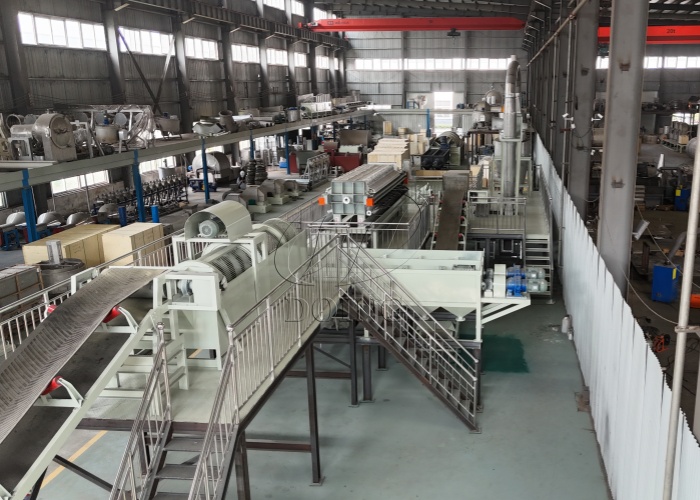 Cassava flour solution provided by Jinrui Foodtech
2. Equipment Manufacturing and Quality
When you are investing in a cassava flour processing line, it is natural to ask: who manufactures the equipment and how its quality is checked before shipment.
A supplier with its own manufacturing facility has greater control over production quality and delivery timeline than a trading company that sources from third-party factories.
What to ask: Where is the equipment manufactured? What materials are used? Is the equipment test-run before shipment? What quality certifications does the manufacturer hold?
Jinrui Foodtech operates a 40,000+ m² manufacturing facility with over 15 years of equipment manufacturing experience and ISO 9001 certified quality management. Food-contact parts are available in 304 stainless steel. Every equipment set is assembled and test-run at the factory before shipment to identify and resolve issues before delivery.
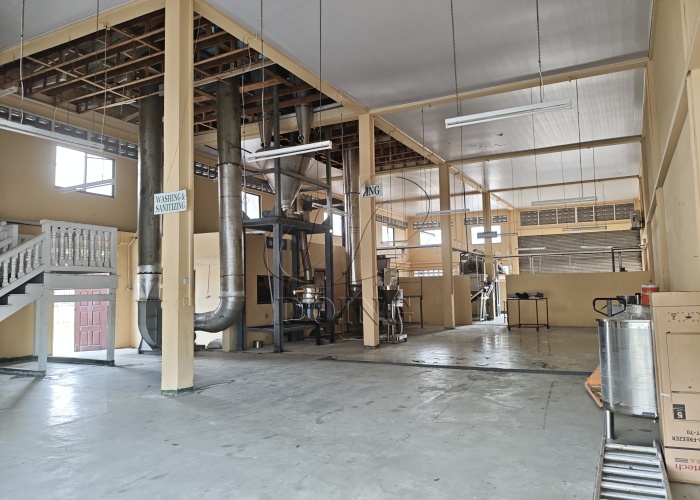 Cassava flour processing projects in Africa
3. Proven Project Experience
The most reliable indicator of a supplier's capability is whether they have completed projects similar to yours — same raw material, comparable capacity, and real delivery to a working plant.
The table below shows completed cassava flour processing projects delivered by Jinrui Foodtech across different countries, capacities, and processing methods.
| Country | Output Capacity | Project Type | Key Features |
| Guyana | 5 TPD | Cassava flour | Government agricultural project; wet process; on-site installation and training |
| Rwanda | 10–15 TPD | Cassava flour | Dry process using cassava chips; customized solution |
| Congo | 8 TPH | Cassava flour | Complete processing line; installation and commissioning |
| Nigeria | 3 TPH | Cassava flour + garri | Combined processing line; installation and operator training |
These projects cover both wet and dry processing, capacities from small-scale to industrial, and complete project delivery including installation. When evaluating any supplier, ask for relevant project cases — and verify the country, capacity, processing method, equipment scope, and whether installation was included.
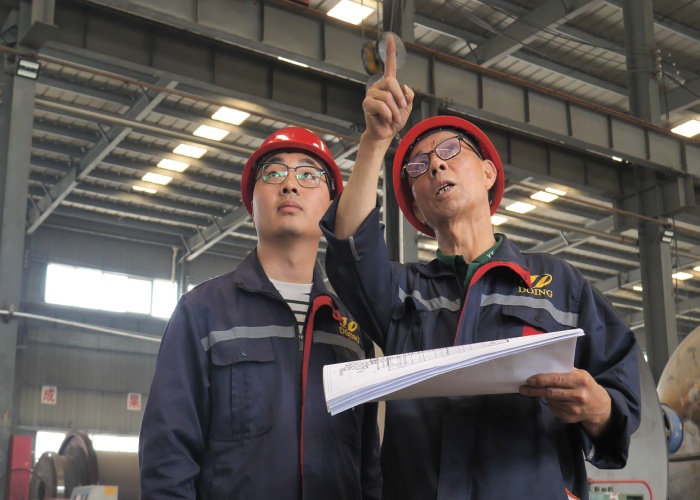 Turnkey cassava flour processing solution
4. Project Support and After-Sales Service
For an overseas cassava flour project, equipment delivery is only the beginning. Installation, commissioning and operator training all affect how quickly the plant can start production.
What to ask: Is on-site installation included? Who handles commissioning? How long does training take? What happens if a part fails six months after delivery?
Jinrui Foodtech provides on-site installation guidance, equipment commissioning, and operator training as part of every project. Technical support is available remotely throughout project implementation. Standard warranty covers 12 months from shipment, including key components and manufacturing defects; wearing parts (screens, blades, bearings) are covered for 6 months.
For customers in Africa — where the majority of cassava flour projects are located — Jinrui Foodtech maintains a regional office in Nigeria. This enables faster technical assistance, shorter spare parts delivery times. For buyers in Nigeria, Ghana, Rwanda, and neighboring countries, this local presence significantly reduces downtime risk.
Get the Right Cassava Flour Processing Solution
Choosing a cassava flour equipment supplier is not only about finding a suitable machine or the lowest quotation. The right supplier should be able to match the processing line to your raw material, capacity and project requirements, while providing the support needed to bring the plant into operation.
If you are planning a cassava flour processing project, Jinrui Foodtech can evaluate your raw material, target capacity and project requirements and recommend a suitable processing solution.
Send us your project details to discuss your cassava flour processing line.
What information should I provide when requesting a cassava flour processing line?
Provide the raw material type, expected flour output, processing method, project location and product requirements. This allows the supplier to recommend a suitable processing flow and equipment configuration.
Can one cassava flour processing line process both fresh cassava and cassava chips?
Not necessarily. Fresh cassava and cassava chips require different processing configurations, so the supplier should confirm the raw material and processing method before proposing the equipment.
How can I verify whether a cassava flour equipment supplier is reliable?
Check the supplier's manufacturing facility, equipment production process, relevant project cases and after-sales service. Actual projects and verifiable manufacturing information are more useful than general claims.
Why can quotations for the same cassava flour plant capacity be different?
The quoted capacity may be defined differently, such as fresh cassava input or final flour output. Equipment configuration, automation level, materials, installation and service scope can also affect the total price.
How long does installation and commissioning take?
For a small to medium-scale cassava flour line (5–20 TPD): manufacturing takes 30–45 days after order confirmation; on-site installation and commissioning takes 1–3 weeks depending on site readiness and civil work preparation. For a large-scale line (50+ TPD): manufacturing takes 45–75 days; on-site installation takes 3–6 weeks. Training is conducted during commissioning — your operators learn to run the line independently before the technical team leaves.