

Nigeria Cassava Chips Price Surge 2026: How to Start a Profitable Cassava Chips Processing Business
It may sound surprising: Nigeria is the world’s largest cassava producer, yet in 2026, the country is seeing a sharp surge in cassava chips prices. The usual expectation — more supply, lower prices — has been overturned by a combination of inflationary pressure, rising production costs, and demand that continues to outpace supply both at home and for export.
For entrepreneurs, this price surge is not just a headline — it’s a real business opportunity. The question is: How do you start a cassava chips processing business that actually captures these higher margins? In this guide, Henan Jinrui walks you through the steps.
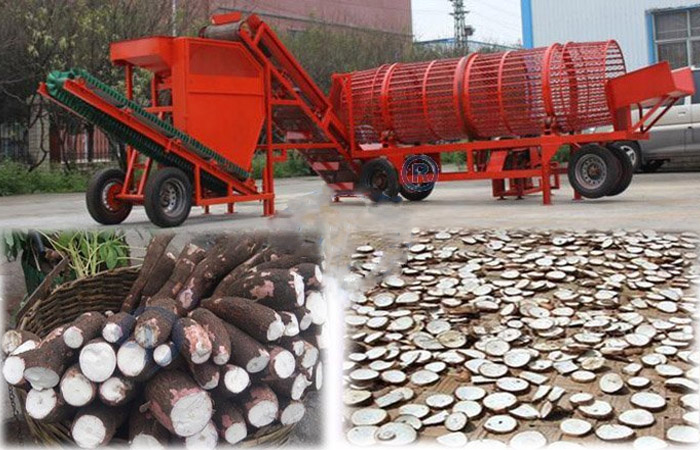 Cassava chips processing machine
Cassava Chips Price Surge 2026: A Profitable Opportunity
Several factors are pushing cassava chips prices higher in 2026: rising production costs (fertilizer, fuel, labor), post-harvest losses, and growing demand from local feed mills and international buyers like Canada, China, and the Netherlands. The result is a sharp price surge — and a real opportunity for processors.
So, can you profit? Yes — but not with traditional methods. Raw cassava is bulky and spoils within days. Processing it into dried chips extends shelf life, cuts transport costs, and opens doors to multiple high-value markets. Cassava chips are widely used as animal feed, as raw material for ethanol production, and as an intermediate for cassava flour processing. Many small to medium cassava chips processing plants in Nigeria report net margins between 15% and 25% during high-demand periods like 2026. The key is minimizing waste and maximizing throughput — which comes down to equipment.
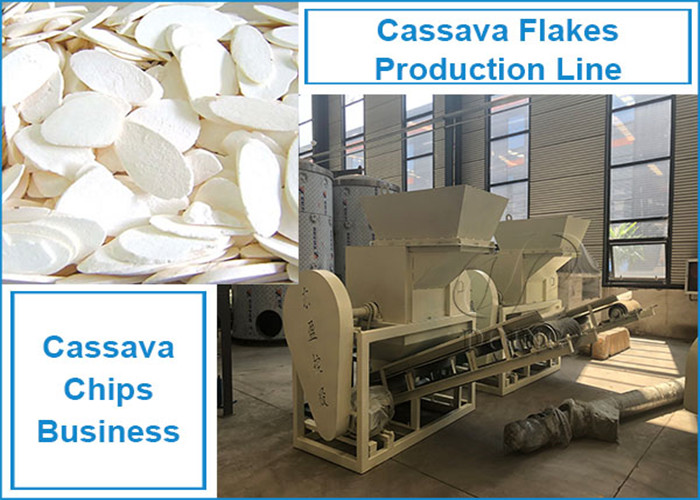 Cassava chips processing equipment
Step-by-Step: How to Start a Cassava Chips Processing Business
Step 1: Identify Your Target Market
When launching a cassava chips processing business, first decide whether you will produce industrial dried chips (for animal feed, flour milling, or ethanol) or snack chips for retail. Before investing in any cassava chips processing equipment, secure offtake agreements. Local feed mills, poultry farms, and flour factories need guaranteed supply and will often sign medium-term contracts with reliable processors.
Step 2: Secure Reliable Cassava Supply
A profitable cassava chips processing business begins with consistent raw material. Partner with farmers or cooperatives in major producing states — Benue, Kwara, Ogun, Ondo, Akwa Ibom, or Enugu. Fresh roots must be processed within 48 hours of harvest, so your facility should be close to farming communities, or you must organize immediate delivery to keep your cassava chips processing line running without interruption.
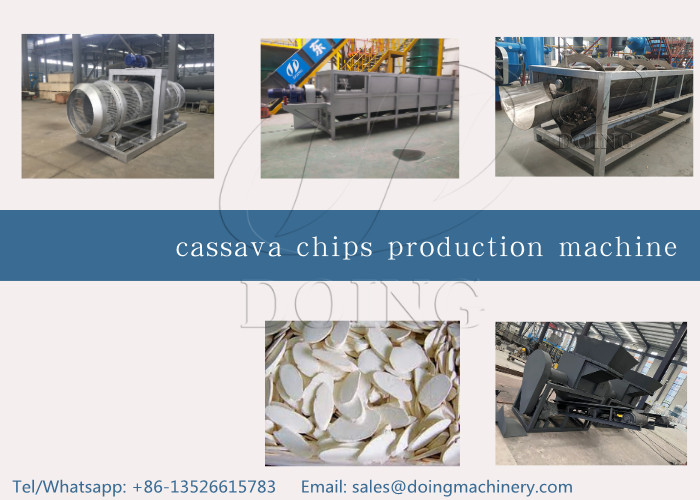 Cassava chips processing equipment
Step 3: Invest in the Right Processing Equipment
Processing fresh cassava into high-quality dried cassava chips requires complete processing line:
Washing and peeling equipment – Removes soil and outer skin to prevent contamination of your final chips.
Slicing machine – Produces uniform chip thickness for consistent drying across the batch.
Drying equipment – The most critical component in any cassava chips processing business. For reliable results, use a belt dryer (continuous conveyor dryer). It ensures even dehydration, reduces re-wetting risk, and scales from 500 to 2,000 kg per hour — far superior to sun drying and essential for commercial production.
Step 4: Set Up Quality Control and Storage
Moisture is the enemy of cassava chips processing. After drying to 12–14% moisture content, protect your chips with clean packaging, raised pallets, dry storage rooms, and basic pest control. Export and industrial buyers also require strict standards on moisture, contamination, and handling — meeting these will set your processing business apart from competitors.
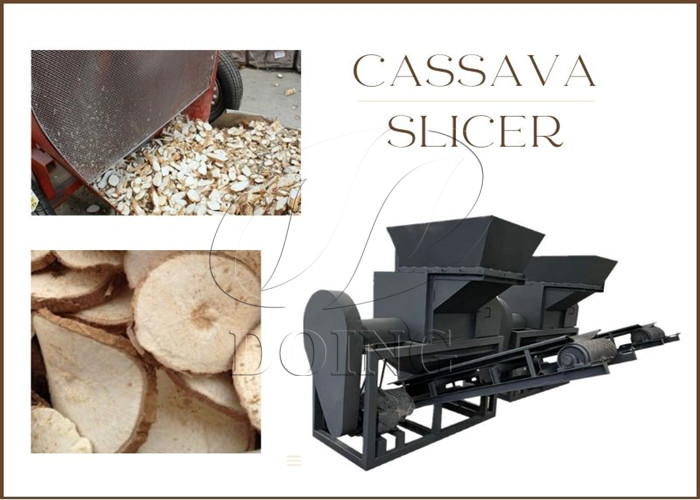 Cassava slicing machine
Step 5: Build Distribution Channels
How you sell depends on your target market within the cassava chips processing industry:
Industrial chips – Sell directly to animal feed mills (poultry, fish, livestock), HQCF mills, starch factories, or ethanol plants.
Snack chips – Reach consumers via supermarkets, online stores, and retail outlets.
The 2026 price surge is no temporary spike — it’s a structural shift. Early movers with efficient processing can capture 15–25% net margins. The path is clear: target your market, secure supply, invest in a belt dryer, control quality, and sell direct. A well-planned cassava chips processing business turns Nigeria’s harvest into lasting profit.
Henan Jinrui provides complete cassava chips processing lines — from washing and peeling to belt drying — tailored to small, medium, and industrial scales. Whether you are targeting local feed mills or export markets, the right equipment makes the difference. Don’t let the opportunity dry up. Contact Henan Jinrui today and start processing for profit in 2026.