

How to Upgrade a Small Fufu Processing Business to a Continuous Production Line
Small fufu flour businesses often face the same upgrade problems: manual operations become expensive as output grows, fermentation batches are difficult to control consistently, and one undersized machine can slow down the whole production flow. Simply replacing that machine with a larger one does not always solve the problem.
A practical upgrade follows three steps: assess the current setup and target capacity, configure the complete processing line around that target, then prepare the factory for installation and commissioning. This approach also allows a small business to upgrade the most critical stages first instead of paying for full automation immediately.
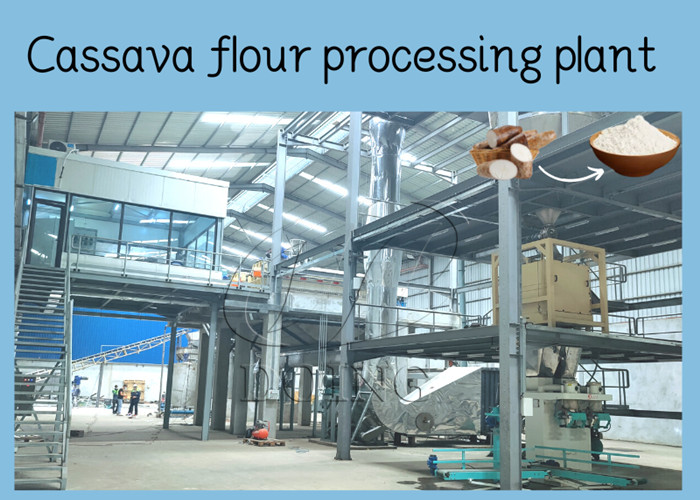 FuFu flour processing plant
Step 1: Assess Your Current Setup and Define Target Capacity
The first step is to measure current output, identify the actual bottlenecks, and set a target capacity that the raw-material supply and factory can support. A clear target from the outset also makes it easier to decide which stages to upgrade first, so a limited budget can be spent on the most critical bottlenecks before full automation is added.
1.1 Current Production Capacity and Bottlenecks
Small fufu flour plants often struggle with labor-intensive peeling, space-consuming fermentation areas, or a dewatering machine that cannot keep up with a faster crusher. IITA reports manual cassava peeling at about 20–25 kg of roots per person per hour, making peeling a potential labor bottleneck as daily input increases.
1.2 Target Capacity and Production Requirements
The target capacity should be based on fresh cassava availability, expected sales, working hours, and required fufu flour output.
For example, if the target is 5 TPD of fufu flour, the equipment specification should be calculated backward from the required fresh cassava input and checked across crushing, fermentation, dewatering, drying, grinding, sieving, and packing. Based on representative project experience, producing 5 TPD of fufu flour typically requires about 20 TPD of fresh cassava input, using a reference fresh-cassava-to-finished-flour ratio of approximately 4:1.
1.3 Existing Equipment and Upgrade Potential
Existing equipment should be classified as retain, modify, replace, or remove before the new line is designed.
The key checks are throughput, motor power, dimensions, discharge height, material-contact condition, and control method. Retaining compatible equipment can reduce initial investment, while retaining an undersized machine can simply move the bottleneck downstream.
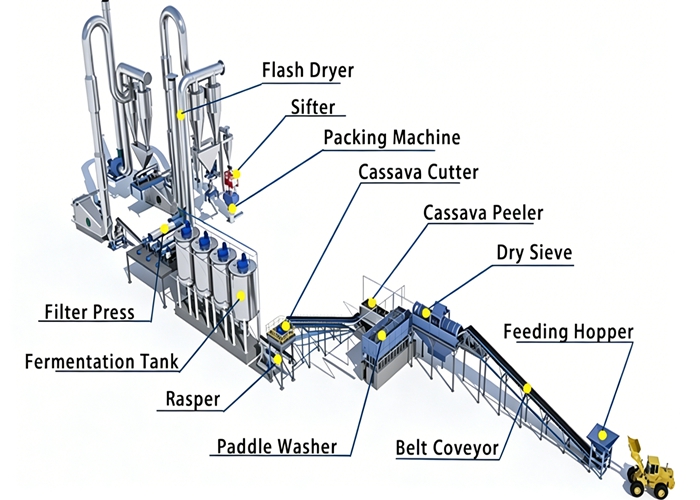 Continous fufu flour line
Step 2: Configure the Continuous Fufu Processing Line
A continuous line is created by connecting compatible processing stages around one production target rather than simply adding more machines.
2.1 What Makes a Line "Continuous"
A continuous line keeps material moving between connected stages with limited manual transfer and fewer batch interruptions.
Fermentation needs special planning because it has a residence time rather than an instantaneous throughput. As a typical reference, if fermentation requires 48 hours and the line needs 5 tonnes of fermented mash per day, the fermentation system needs sufficient total working volume to maintain that residence time; multiple tanks can be staggered to maintain regular feeding and discharge.
2.2 Full Process Flow Configuration
The full fufu flour process should be configured as one connected flow from cassava preparation to final packing.
| Process Stage | Key Equipment |
| Washing | Cassava Washing Machine |
| Peeling | Cassava Peeling Machine |
| Crushing/Milling | Cassava Crusher or Grinding Machine |
| Fermentation | Fermentation Tanks |
| Dewatering | Hydraulic Press, or Plate Frame Filter Press |
| Drying | Flash Dryer |
| Grinding | Fine Milling Machine |
| Sieving | Flour Sieving Machine |
| Packing | Automatic or Semi-Automatic Packing Machine |
The equipment sequence should follow the actual material condition at each stage, especially after fermentation and dewatering.
A complete fufu flour production line should be configured as one connected flow, with each fufu flour processing machine selected for the material condition at its own stage. Jinrui Foodtech (Henan Jinrui) can configure the equipment and material-flow connections around the target fresh cassava input, intermediate moisture levels, and final fufu flour output.
2.3 Capacity Matching and Future Upgrade
All major stages should be sized around the same production target, with practical capacity allowance so an undersized downstream machine does not become the new bottleneck.
For example, if a crusher processes 5TPH but the dewatering system can handle only 2 TPH, material will accumulate between the two stages. A small business with limited capital can instead upgrade the main bottlenecks first, such as crushing and dewatering, while retaining manual feeding or natural drying, then add an automatic washing system and industrial dryer later.
The first-stage layout should reserve space, electrical capacity, foundations, material-flow routes, and connection points for future equipment. This allows later automation without completely redesigning the workshop.
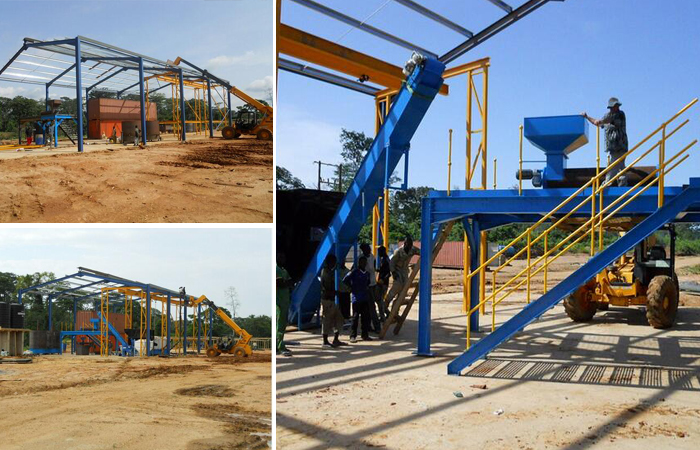 FuFu flour processing factory
Step 3: Prepare Factory Utilities and Plan Installation
The factory must be ready for the complete processing flow before installation, including workshop layout, electricity, water, drainage, foundations, and installation access.
3.1 Workshop Layout and Utilities
For a fufu processing plant in Nigeria, the workshop should allow fresh cassava to move through washing, peeling, crushing, fermentation, dewatering, drying, grinding, sieving, and packing without unnecessary backtracking.
Electrical load should be calculated from the complete equipment list, while water supply and drainage should match the actual process requirement. In Nigeria, unstable grid electricity also makes it important to identify critical loads and backup-power requirements before finalizing the electrical system.
3.2 Equipment Installation and Commissioning
Installation should cover equipment positioning, mechanical connections, electrical wiring, piping, testing, and final process adjustment.
Jinrui Foodtech can coordinate equipment manufacturing, layout guidance, installation support, commissioning, and operator training within the agreed project scope. Typically, equipment manufacturing takes 1–2 months, while on-site installation and commissioning take 15–30 days. Commissioning should verify throughput, material transfer, drying performance, grinding and sieving results, and final flour quality.
3.3 Operator Training and Production Handover
Operator training should cover daily operation, start-up and shutdown, cleaning, routine maintenance, and basic troubleshooting before production handover.
For a small factory, operators may manage several stages, so training should be practical rather than limited to equipment manuals. The handover package should include equipment drawings, electrical information, spare-parts recommendations, and operating instructions.
Fufu Processing Line Upgrade Checklist
Current fresh cassava input and finished flour output
Main bottlenecks and manual labor requirements
Target production capacity and working hours
Capacity matching across the complete process
Fermentation method, residence time, and tank capacity
Which existing machines can be retained
Crushing, dewatering, and drying capacity
Workshop space and material flow
Electrical supply and backup-power requirements
Water, drainage, installation, and operator training scope
A quotation is easier to compare when these technical points are defined before discussing equipment prices.
FAQ
Can My Existing Fufu Processing Equipment Be Integrated into a New Continuous Line?
Existing equipment can sometimes be integrated if its capacity, motor power, dimensions, discharge height, and control method match the new process flow. A machine rated at 2 TPH can become a bottleneck if the upgraded line is designed for 5 TPH. The equipment should therefore be checked against the complete material flow before deciding whether to retain it.
What Budget Range Should I Expect for Upgrading to a Continuous Fufu Line?
As a reference price range, a complete fufu flour processing line typically starts from around USD 50,000, subject to configuration and equipment scope. The main variables include fresh cassava capacity, automation level, fermentation system, dewatering and drying equipment, grinding and sieving equipment, conveyors, electrical controls, and installation scope.
How Can a Continuous Fufu Line Handle Unstable Power Supply in Nigeria?
For unstable power, ask the supplier which machines are essential during a power interruption and which can be restarted sequentially. The project can then define the required generator or backup arrangement and restart procedure. Motor and control-panel protection should also be specified in the electrical scope.
How Much Labor Can a Continuous Fufu Processing Line Reduce?
Labor reduction depends on which operations are currently manual and which stages are mechanized in the new configuration. A practical calculation compares workers per shift before and after upgrading rather than using a generic percentage. Specific labor savings should be assessed according to the actual level of mechanization at each processing stage.
Plan Your Fufu Production Line Upgrade
Upgrading a small fufu flour business is about solving bottlenecks in the right order: define the current setup and target capacity, configure the full process as one connected production line, and prepare the factory for installation. If the budget is limited, the upgrade can be implemented in stages, but the first-stage layout and utilities should leave sufficient space and capacity for future expansion.
Jinrui Foodtech provides cassava processing equipment and local project support in Nigeria. Send us your current capacity, target output, raw material situation, and existing equipment list to discuss a targeted upgrade plan.