

How to Prevent a Potato Starch Processing Plant from Freezing in Winter
A potato starch processing plant is a wet, continuous line where water runs through washing, crushing, extraction, concentration and drying. In winter, the biggest freezing risk is not the dryer itself, but the water system, process pipes, wet slurry and standby equipment inside the potato starch processing plant. Once water or wet starch freezes inside a pipe, valve, pump or tank, the plant can face unplanned shutdowns, blocked lines, swollen pipes, damaged seals and costly repairs.
Effective winter protection should be planned before the cold season starts. The most practical approach for any potato starch processing plant covers four areas: plant building insulation, pipe insulation and heat tracing, process-stage freeze protection, and a clear shutdown drainage SOP. For extremely cold regions, such as areas where winter temperatures fall below -20°C, additional reinforcement is needed.
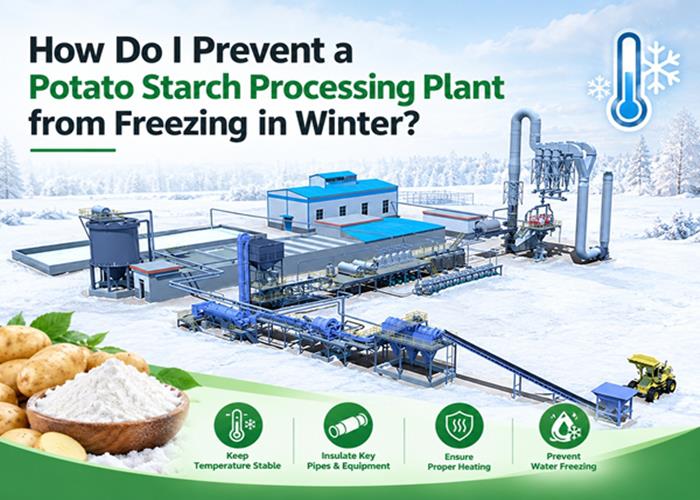 Potato starch processing plant
Why Freezing Is a Critical Risk in Potato Starch Plants
Potato starch processing depends on large volumes of process water. If any part of the water circuit freezes, the whole line is affected because each stage feeds the next.
The main risks in cold weather are:
Water and process pipes freeze first. Supply lines, return lines, slurry lines and concentrate lines are especially vulnerable when they run outdoors, through unheated spaces, or along cold walls.
Wet slurry loses flow at low temperature. Potato starch milk, fibre slurry and concentrate are water-based. When temperature drops, they become thicker, harder to pump and more likely to settle or block pipes.
Standby and shutdown periods are more dangerous than normal operation. Running equipment keeps material moving, but idle pipes, pumps, tanks and valves can retain water or wet starch. If this residue is not drained, it may freeze and cause mechanical damage.
Freeze expansion can damage equipment. Ice expansion can crack pipes, deform fittings, damage pump housings, block valves and affect instrument connections. Repair costs are usually far higher than preventive insulation or drainage.
Restart becomes difficult after freezing. Even if damage is not visible, partial blockage or seal leakage may appear only after the plant tries to resume production.
Four Key Freeze-Prevention Measures for Cold-Climate Potato Starch Processing Plants
Plant Building Insulation and Heating
Treat the building as the first layer of insulation, then add heat only where it is needed.
Seal the envelope — doors, windows, wall penetrations and ventilation openings, kept closed or fitted with insulated curtains during cold spells.
Insulate the wet-process areas — mineral wool, rock wool or foam insulation panels on the walls and roofs of the washing, crushing, extraction, concentration and wet-starch zones.
Add heat at the weak points — electric heaters, hot-air units or steam radiators at pumps, valves, tanks, instrument points and low-level pipes.
Zone the building — hold critical areas above freezing through night shifts and weekends, and never place raw-water or slurry tanks and drainage points directly against uninsulated external walls.
As a general engineering reference, freeze-prevention actions should start when ambient temperature approaches 0°C, with stricter measures below -5°C. This is a common cold-weather threshold used in industrial facility management, not a proprietary equipment rating.
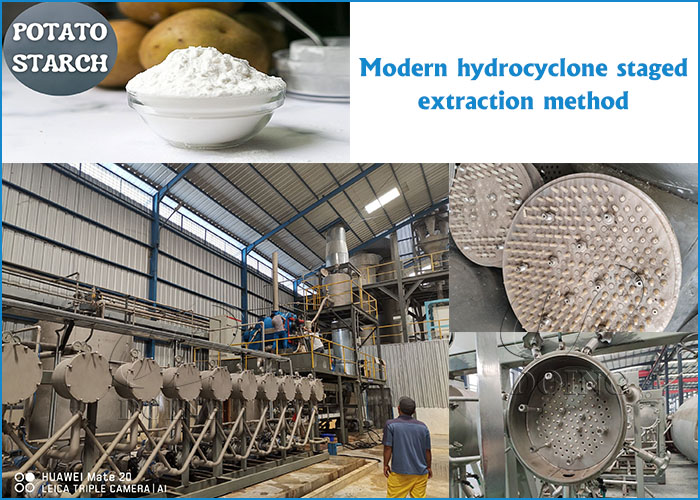 Potato starch processing machine
Pipe Insulation and Heat Tracing for Water and Process Lines
Pipes carrying water, starch milk, fibre slurry, fruit water and concentrate should be treated as high-risk lines in winter.
Practical measures include:
Wrap pipes with insulation material. Use mineral wool, rubber foam, polyurethane foam or glass wool insulation jackets on exposed pipes.
Seal insulation joints tightly. Overlap insulation sections and seal seams with aluminium foil tape or waterproof tape to prevent moisture ingress.
Protect fittings separately. Valves, flanges, pumps, elbows and sampling points should have removable insulation jackets so they can be inspected without removing the whole insulation.
Install electric heat tracing on high-risk lines. Lay self-regulating or constant-watt heat-tracing cable along the pipe, then cover it with insulation.
Focus on vulnerable sections. Prioritise outdoor pipes, underground trenches, wall penetrations, long horizontal runs, low points and sections near external doors.
Add temperature control. Use thermostats or temperature sensors to switch heat tracing on only when needed, reducing energy consumption.
Support pipes properly. Ensure pipe supports do not crush insulation and do not create cold bridges.
Heat tracing should be designed according to pipe diameter, ambient temperature, required maintenance temperature and insulation thickness. Exact power density and circuit layout should follow local electrical standards and the recommendations of the heat-tracing supplier.
Process Equipment and Wet-Stage Freeze Protection
Freeze protection should follow the process flow, not only the building envelope.
| Process area | Winter risk | Prevention focus |
|---|---|---|
| Raw potato washing | Outdoor water supply and spray lines may freeze | Insulate water lines; keep pumps running or drained when idle |
| Crushing | Wet slurry can thicken or settle in cold pipes | Maintain flow; avoid long standby with wet material inside |
| Separation | Screens and pipes may retain water after shutdown | Drain residual liquid; keep equipment housing above freezing |
| Concentration | Starch milk and process water are sensitive to low temperature | Maintain circulation; prevent stagnant liquid in cyclones and tanks |
| Dewatering | Wet cake and residual liquid may freeze in bowls or pipes | Empty bowls and pipes after shutdown; keep discharge areas protected |
| Drying | Dryer itself has low freeze risk, but wet feed must not freeze | Protect wet feed pipes and buffers before the dryer |
| Clean-in-place and water system | CIP tanks and return lines can freeze during idle periods | Drain CIP circuits; keep water tanks heated or insulated |
The drying section usually has lower freeze risk because the final starch is dry. However, the wet feed entering the dryer, the associated pumps and the connecting pipes still need winter protection.
Shutdown and Standby Drainage SOP
Most freeze damage happens when the plant is stopped but water or wet starch remains inside the system. A simple shutdown SOP can prevent most problems.
For short standby, such as a few hours or one shift:
Keep flow moving. Run essential pumps at low flow if production allows.
Maintain minimum temperature. Keep wet-process areas above freezing.
Monitor vulnerable points. Check outdoor pipes, valves, tanks and low points regularly.
Avoid long idle slurry lines. Flush or drain slurry pipes if they will not be used for several hours.
For long shutdown, such as overnight stop, weekend stop or seasonal stop:
Stop feeding early. End raw material and wet slurry feeding before full shutdown.
Drain all liquid circuits. Empty water pipes, process pipes, pumps, tanks, hydrocyclones and centrifuge bowls.
Blow out residual liquid. Use compressed air or low-pressure blowing to remove remaining water from low points and dead legs.
Open drain valves. Leave drain points open where safe, so trapped water cannot accumulate.
Check heating systems. Confirm that heat-tracing circuits, insulation and local heaters remain functional.
Inspect before restart. Check valves, pumps, seals, instrument lines and pipe supports for blockage, leakage or deformation.
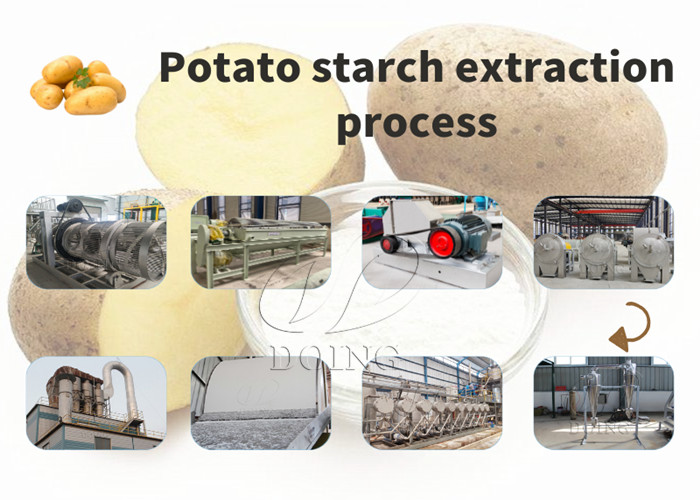 Potato starch extraction machine
A Real Cold-Climate Reference: 2 t/h Line in Heilongjiang
A practical reference is a 2 t/h potato starch processing line delivered to Heilongjiang, China. Heilongjiang is a major potato-producing region with long, cold winters, making it a relevant example for cold-climate plant operation. The line was shipped in August 2022 and entered commissioning and production in September 2022.
This project shows that a wet potato starch line can be installed and operated in a high-latitude, cold-region environment when winter risks are considered during layout, piping, insulation and commissioning. In this case, the project was delivered by Jinrui Foodtech (Henan Jinrui), providing a real cold-climate reference for plants located in regions with severe winter conditions.
FAQ: Winter Freeze Prevention for Potato Starch Plants
Can an existing plant be retrofitted for winter without rebuilding?
Yes. Most existing plants can be improved by adding pipe insulation, electric heat tracing, local heating in wet areas, better door and window sealing, and a formal shutdown drainage procedure. A full rebuild is rarely necessary unless the building itself is completely unheated and the piping layout is unsuitable for cold weather.
Is electric heat tracing worth the energy cost?
Heat tracing is usually worth installing on high-risk lines, such as outdoor water pipes, slurry lines, concentrate lines and low-point drains. The energy cost is typically much lower than the cost of blocked pipes, damaged pumps, production loss and emergency repair. It should be controlled by temperature sensors or timers to avoid unnecessary heating.
How should outdoor water sources or wells be handled in winter?
Outdoor wells, water tanks, pump houses and valve pits should be insulated and, if necessary, heated. Underground pipes should be buried below the local frost line where possible. Surface pipes should be insulated and heat-traced. Water pumps should not be left full of static water during long idle periods.
Does commissioning a plant in autumn increase first-winter freeze risk?
Autumn commissioning can increase first-winter risk if winter preparation is not completed before temperatures drop. The plant should finish insulation, heat-tracing checks, drainage tests and operator training before the first sustained frost. A new line is especially vulnerable because operators may still be learning normal startup and shutdown procedures.
What extra measures are needed when winter temperatures fall below -20°C?
Below -20°C, plants should strengthen building insulation, add redundant heat tracing on critical lines, protect instrument air and water lines, avoid long outdoor pipe runs, keep key areas continuously heated, and enforce a stricter shutdown drainage checklist. Seasonal or intermittent production plans should also be reviewed, because frequent stops increase freeze risk.
Next Step for Cold-Climate Potato Starch Lines
Winter freeze prevention should be considered during line design and equipment selection, not only after problems appear. The most effective protection combines building insulation, pipe heat tracing, wet-stage management and a clear drainage SOP.
If you are planning a potato starch processing plant in a cold region, share your plant capacity, local minimum winter temperature and whether the plant will run continuously or intermittently. The Jinrui Foodtech team can review these conditions and help design a potato starch processing line with appropriate insulation, heat-tracing and drainage provisions for your site.