

How to Make Akpu Flour from Cassava: Processing Steps and Machines
Akpu, also known as fermented cassava flour (fufu flour), is a traditional African staple food. For industrial production, fresh cassava roots need to be processed into a stable, slightly sour powder. The akpu flour processing involves three main stages: cleaning & peeling, grinding & fermentation & dewatering, and drying & packaging.
As a professional cassava processing equipment manufacturer, Henan Jinrui will provide this complete guide to the akpu flour processing steps and machines.
Akpu Flour Processing: Machinery List Overview
| Stage | Machinery | Purpose |
| Cleaning & Peeling | Paddle washer, dry sieve, peeler | Removes dirt, stones, and toxic skin |
| Grinding, Fermentation & Dewatering | Cassava grater (or cutter + rasper), fermentation tanks, hydraulic press (or filter press) | Releases starch, develops sour flavor, reduces moisture |
| Drying & Packaging | Flash dryer, sieve, packaging machine | Reduces moisture to<12%, prepares for market |
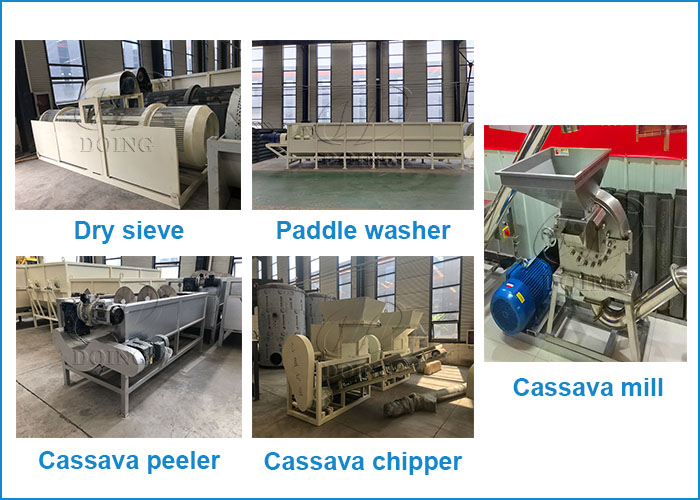 Cassava processing machinery
Detailed Akpu Flour Processing Steps
Step 1: Cleaning & Peeling
Fresh cassava roots arrive covered in mud, sand, and stones. Proper cleaning prevents equipment damage and ensures food safety. After washing, peeling removes the brown skin, which contains bitter and harmful compounds.
For small to medium yields: A simple paddle washer is effective. Roots are fed manually or via a belt conveyor into a revolving drum where water and paddles scrub the surface. Peeling can be done manually or with a small abrasive peeler.
For large-scale operations: An automated cleaning line is recommended, including a feeding hopper (receives bulk cassava), belt conveyor (controlled-speed transport), dry sieve (removes loose sand and stones before washing to save water), and a high-speed paddle washer. For peeling, Henan Jinrui's abrasive peeler achieves a peeling rate of over 90%, significantly reducing labor costs. For customers in Africa, our local warehouse in Nigeria ensures fast delivery of spare parts and replacement machines.
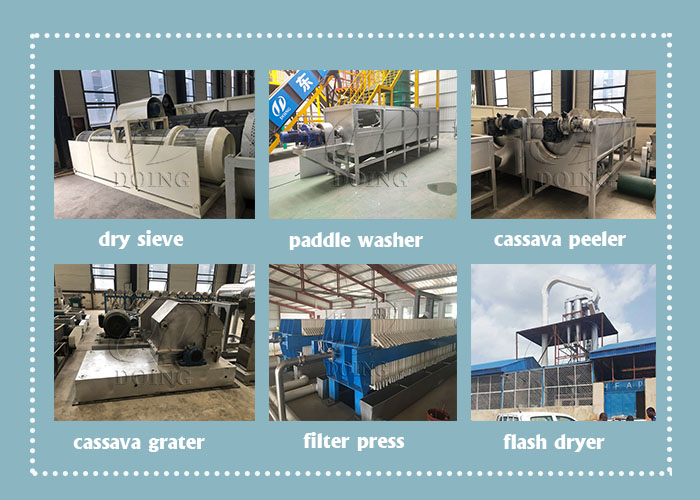 Akpu flour processing machine
Step 2: Grinding, Fermentation & Dewatering
This is the most critical stage where the sour flavor of Akpu develops. The cleaned cassava must be ground into a fine mash to release starch, then fermented to create the characteristic tangy taste, and finally dewatered to remove excess moisture.
For small to medium scales (1-1.5 t/h): A stainless steel cassava grater shreds roots into a wet pulp. Fermentation can be done in plastic barrels or lined pits covered with sacks – no machine needed. For dewatering, a hydraulic press is effective: place mash in filter bags, stack them, and apply hydraulic pressure to squeeze out water. Henan Jinrui's hydraulic press is known for simple operation and long service life.
For large-scale operations: A cutter machine chops roots into small chips, followed by a rasper which pulverizes the chips into a fine, consistent slurry. Henan Jinrui's rasper is designed for high efficiency and low maintenance, maximizing starch yield for fermented cassava flour. The mash is then transferred into food-grade stainless steel fermentation tanks for easy loading, temperature control, and hygienic unloading. For dewatering, a plate-and-frame filter press is recommended: the mash is pumped into chambers between filter plates, and water is forced out under high pressure, leaving a dry "cake" of wet flour. Henan Jinrui's filter presses are faster and more hygienic for bulk Akpu flour processing.
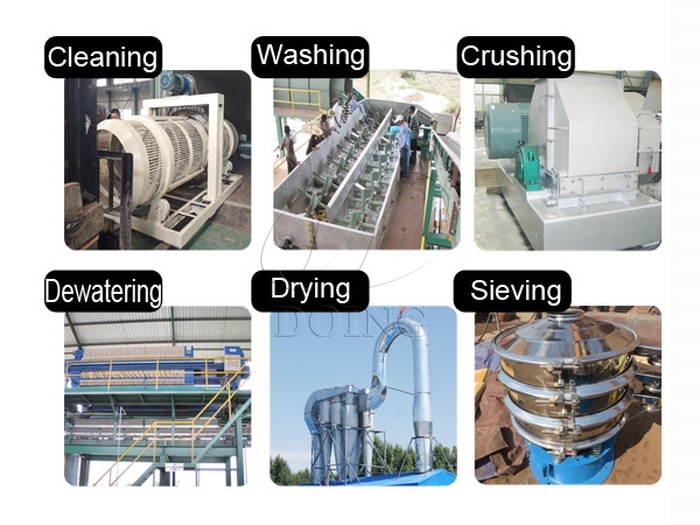 Akpu flour production process
Step 3: Drying & Packaging
After dewatering, the cassava cake has about 35–40% moisture. It must be dried to below 12% for safe storage. Sun drying is possible but risky in humid climates. For efficient commercial akpu flour drying, a flash dryer is the best choice.
Flash dryer: The wet cake is broken into small granules and fed into a high-velocity hot air stream. Drying happens in just 2–5 seconds. The dry flour is then collected in a cyclone separator. Flash dryers prevent overheating (which burns the flour) and produce a consistent, fine powder.
Sieving & packaging: With the right cassava processing machine, the dry Akpu flour is sieved to remove any lumps, cooled, and automatically packed into moisture-proof bags using a packaging machine. The finished flour is ready for making fufu or other traditional dishes.
Ready to start your own akpu flour processing business? With the right cassava processing equipment, you can turn fresh cassava into high-quality fermented cassava flour efficiently and profitably. Henan Jinrui offers complete solutions for akpu flour processing – from cleaning, grinding, and dewatering to drying and packaging. Whether you need a single machine or a full production line, our team is here to provide professional guidance and reliable equipment. Contact Henan Jinrui today for a customized quote and let us help you build your akpu flour business.