Blog

Blog

 2026-04-01
In 2026, fuel prices across West Africa have surged to unprecedented levels. In Nigeria, diesel now exceeds ₦800 per liter, a sharp increase from ₦600 in 2025; in Ghana, prices have reached 18 GHS per liter, representing a 35% year-on-year rise. For garri processors in the region, these soaring costs are driving up expenses across diesel-powered grinding, frying, and transportation. As fuel accounts for a growing share of operating costs, many small- and medium-scale processors are asking a critical question: under such immense pressure, can my garri processing business remain profitable?
As a trusted supplier of complete garri processing lines, Henan Jinrui takes a closer look at how rising fuel costs are eating into your garri processing business profits—and offers a range of practical, energy-efficient solutions to help you navigate these challenges.
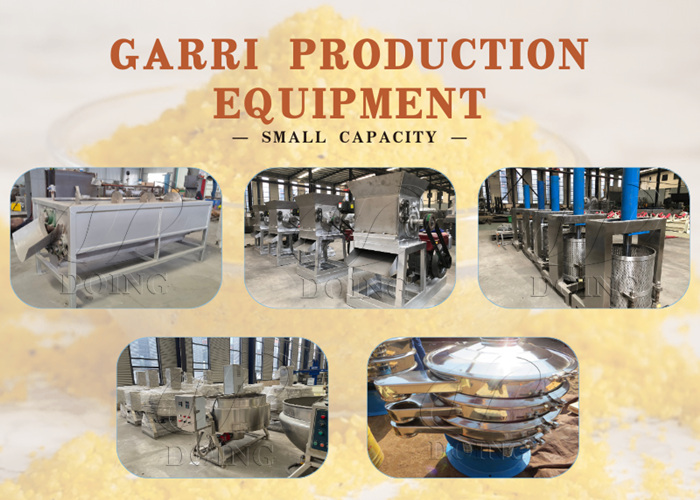 Garri processing business
Soaring fuel prices in 2026 are impacting garri processing businesses in several ways. Below, we highlight the three most significant effects—two that add pressure, and one that offers some relief.
1. Higher costs for equipment operation
Diesel-powered graters, fryers, and generators—essential in areas with unreliable electricity—now cost significantly more to run. For many garri processors, these fuel energy expenses have become a major burden on daily operations.
2. Increased transportation costs
Transportation has also become much more expensive. Collecting fresh cassava tubers from rural farms now costs up to 40% more than in 2025, while delivering finished garri to urban markets like Lagos or Accra has seen similar increases.
3. Garri prices have risen accordingly
Despite these cost pressures, there is a positive side. Garri remains a staple food for millions across West Africa, and market prices for high-quality garri have risen moderately in response to higher processing costs. This adjustment has helped many garri businesses absorb some of the increased energy expenses.
Understanding these impacts is the first step toward finding practical solutions. As fuel prices continue to soar in 2026, the key question remains: can your garri processing business stay profitable? In the following section, we explore how smarter strategies and more efficient equipment can help garri processors protect their margins and thrive despite rising energy costs.
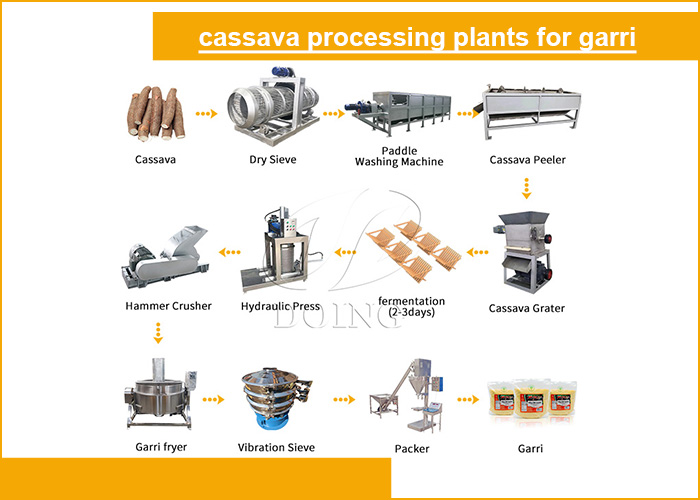 Garri processing plant
1. Choose a processing site close to cassava farms
Transporting fresh cassava tubers over long distances is one of the biggest fuel-related expenses. Setting up your garri processing facility near farming areas can significantly cut collection costs—an especially important move as fuel prices continue to rise.
2. Invest in energy-efficient garri processing equipment
Older, inefficient machines consume far more fuel than necessary. Upgrading to modern, energy-saving equipment can make a noticeable difference in your operating costs.
For example, Henan Jinrui’s garri processing lines are designed with energy efficiency in mind. They feature optimized motors, reduced friction in grinding and pressing stages, and improved heat utilization in frying units—helping processors lower diesel consumption without sacrificing output. For both new and expanding operations, choosing efficient equipment is one of the most effective ways to protect profitability amid high fuel prices.
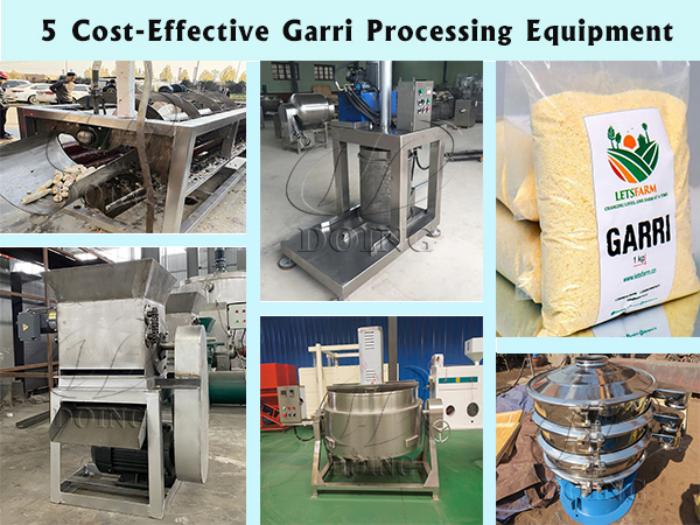 Garri production line
3. Use cassava peels and biomass as alternative fuel
Instead of relying entirely on diesel, consider using cassava peels to produce biomass fuel. This low-cost alternative can reduce diesel use by up to 30%, turning waste into a valuable energy source and further insulating your garri processing business from volatile fuel prices.
4. Collaborate with neighboring processors
Pooling resources with other garri processors can help reduce individual costs. Shared delivery routes to urban markets and joint bulk fuel purchases often lead to significant savings—allowing you to maintain profitability even when fuel costs remain high.
5. Adjust pricing strategically
A moderate price increase of 5–10% for high-quality garri is often acceptable to consumers, given that garri remains an essential food across West Africa. When combined with the cost-saving measures above, this can help restore healthy margins without losing customers.
By implementing these strategies—especially upgrading to energy-efficient equipment—your garri processing business can stay profitable in 2026 and beyond, no matter how fuel prices shift.
In 2026, soaring fuel prices have undoubtedly created new challenges for garri processors across West Africa. Yet as we have seen, profitability remains achievable—not by chance, but by choice. Processors who adapt through smarter site selection, alternative fuels, strategic collaboration, and—most importantly—investment in energy-efficient equipment are the ones best positioned to protect their margins and grow their businesses. As a trusted supplier of complete garri processing lines, Henan Jinrui is committed to helping you navigate these challenging times with equipment specifically designed to reduce fuel consumption without compromising output.
Are you ready to make your garri processing business more efficient and more profitable—even with fuel prices where they stand today? Contact Henan Jinrui today to discuss your production needs and learn how our energy-saving garri processing solutions can work for you.
Want to know more about our products or services? Fill out the contact form below, and we’ll to get back to you and you will get the price list. Please also feel free to contact us by email or phone.( * Denotes a required field).